
EAF Transformer
EAF transformers (electric arc furnace transformers) are specialized power units in the steel industry that supply high-voltage electrical energy to electric arc furnaces. These transformers are the key equipment in a steel plant: they are designed to be durable, able to withstand the severe operating environment, and to ensure safety throughout the melting process.
EAF transformers require specialized manufacturing and testing processes to operate reliably and reduce downtime in steel production facilities, given their unique design and demanding operating conditions.
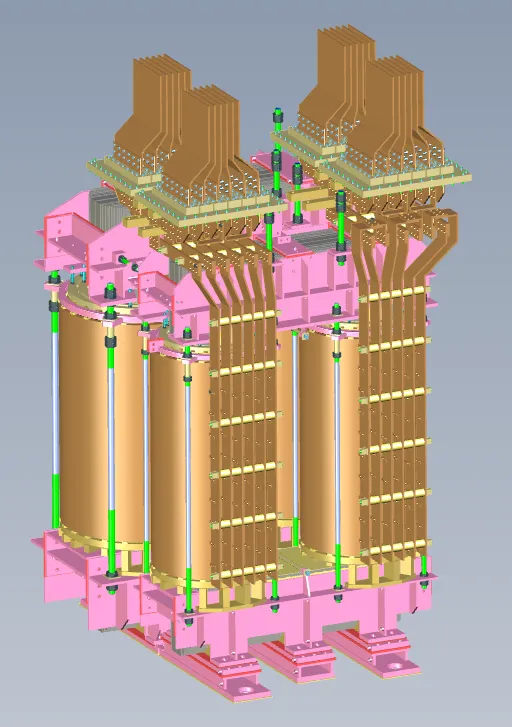
Engineering Expertise
Manufacturers of EAF transformers must possess a deep understanding of the unique challenges and requirements of the steel industry to design and build these transformers to the exacting standards needed. This includes expertise in areas such as thermal management, fault protection, and precise voltage regulation to accommodate the extreme operating conditions of the EAF.
Top-tier EAF transformer manufacturers, like C.E.M., offer a range of value-added services to their steel producer customers, such as on-site installation, commissioning, and ongoing maintenance and repair support to maximize the lifespan and performance of these critical assets.
By partnering with an experienced EAF transformer specialist, steel companies can ensure the reliable, efficient, and cost-effective operation of their electric arc furnaces — a key factor in maintaining a competitive edge in the global steel market.
Key Features
Reliable performance and efficiency in energy conversion
Designed to handle high voltages and currents, providing the necessary power for furnace operation
Built to withstand high temperatures and harsh operating conditions
Essential for maintaining stable arc operations in the melting process
Customizable based on specific furnace requirements and production capacities
Equipped with safety mechanisms to protect against overloads, short circuits, and other electrical faults
Modern design optimized for energy efficiency, reducing operational costs and environmental impact
Innovations in design and materials continue to improve performance and reliability
Quality control measures implemented throughout production to guarantee compliance with industry standards